Professional Wholesale Pricing • Fast US Shipping

7 Waxing Mistakes Professionals Don’t Realize They’re Making
Most waxing professionals aren’t doing things wrong, they’re doing them well enough. The problem is that “well enough” becomes autopilot: habits set early, go unexamined, and quietly cap your results. Over time, that autopilot can show up as inconsistent clearance from client to client, unnecessary irritation that hurts rebooking, and services that somehow feel slower even as you try to speed up. The good news? You don’t need to reinvent your technique. Small, consistent refinements compound quickly. In a profession built on touch, timing, and judgment, small technique habits are what separate average results from exceptional ones.
Below are the seven most common waxing mistakes professionals don’t realize they’re making, plus practical fixes you can use in your very next appointment.
1. Relying on heater settings instead of wax behavior
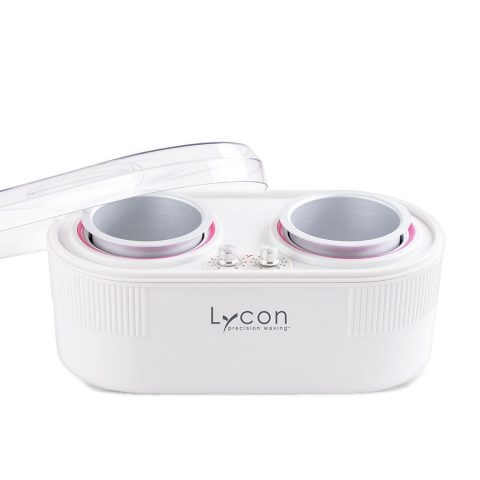
We’ve all heard it, or thought it ourselves: “If the dial is right, the wax is right.” That’s the myth. In reality, wax is a dynamic medium that responds to its environment. Its behavior changes depending on room temperature, humidity, how long the pot has been on, how often it’s stirred, the amount of product remaining, and even the pace of your day. This means that relying solely on the heater setting is never enough to guarantee consistent performance.
When temperature is off, the signs are clear. Wax that is too hot appears overly glossy and runny, with edges that slip instead of holding their shape. The skin may look excessively shiny after removal, clients may feel more stinging than usual, and strips may glide rather than grip effectively. On the other hand, wax that is too cool tends to string between the pot and the skin, bead instead of spreading evenly, and struggle to adhere properly. Hair is left behind, hard wax may crack when lifted, and soft wax can come off unevenly in clumps.
The solution lies in learning to read the wax itself rather than relying on numbers. The heater dial should be treated as a starting point. What matters is consistency of behavior. Hard wax should flow like honey, forming a smooth, controlled bead at the edge, while soft wax should spread in a thin, even ribbon without skipping. Regular stirring (every 10 to 15 minutes) helps maintain an even temperature and texture, particularly since wax near the edges of the pot cools faster. Testing before application is equally important; lifting a small amount with a spatula, observing how it moves, and performing a quick test on a gloved wrist or strip can prevent issues before they reach the client.
Environmental awareness also plays a role. In cooler rooms, slightly higher temperatures and smaller working sections may be needed, while warmer environments or proximity to heat sources may require lowering the temperature and working more efficiently. Maintaining a stable “service temperature” is key; large fluctuations should be avoided. If the wax is heated quickly at the start of the day, it’s important to reduce the temperature in advance of the first client and allow time for the consistency to normalize through stirring. This level of control is what separates routine application from professional precision.
2. Overworking the same area
This mistake often comes from a good place; you care about delivering a flawless result. In the pursuit of perfectly clean removal, it’s easy to fall into the habit of reapplying wax multiple times on the same area. However, each additional pass removes more than just hair; it places increasing stress on the skin barrier. Over time, this can compromise both the immediate result and the client’s overall experience.
The consequences are not always immediate, but they are significant. Repeated passes can lead to skin lifting, particularly in delicate areas such as the brows, upper lip, bikini line, and underarms. Redness may become more diffuse and last longer than expected, while microtears can develop into ingrown hairs or post-inflammatory discoloration. Just as importantly, client discomfort may linger beyond the appointment, reducing their confidence in the service and their likelihood to rebook.
The solution lies in setting clear limits and adapting technique rather than increasing intensity. Establish pass limits based on the area and type of wax, and treat them as non-negotiable. With soft wax, one pass per area is the standard, with any remaining hairs addressed through precise tweezing. Hard wax allows slightly more flexibility, but generally no more than two passes on resilient areas and one to two on more sensitive zones, such as the ones treated with a gentle Pinkini system. If a third attempt seems necessary, it’s a signal to change approach rather than continue applying pressure. This might involve using a small amount of oil barrier with hard wax in a more targeted section, or switching to tweezing for refinement.
Introducing a micro-layer of oil between passes can also help protect the skin. A very thin film allows the wax to lift remaining hairs without re-adhering aggressively to the skin itself. Care should be taken to avoid excess; if the skin appears shiny, too much product has been applied. Adjusting technique is equally important. Working in smaller sections, aligning application more precisely with hair growth patterns, and refining pressure can significantly improve results without additional trauma. And when necessary, finishing with tweezers should be seen not as a compromise, but as a mark of professionalism and attention to detail.
3. Rushing under pressure
When schedules become tight or the pressure to increase volume builds, it can be tempting to speed up by cutting corners. In practice, rushing often has the opposite effect. It leads to missed hairs, hesitation during removal, and more time spent correcting work than would have been needed if the service had been performed with a steady, repeatable flow from the start.
Rushing tends to show up in predictable ways. The cleanse-and-dry step may be shortened or skipped entirely because the client has “just showered.” Application becomes less consistent, with uneven thickness or angles that do not properly follow hair growth patterns. Removal may feel hesitant because there is no clean edge to grip or no strong anchor point. Sections may also become too large for the area, increasing the likelihood of breakage, poor control, or missed finer hairs. The result is not just a slower overall service, but often a more irritating one; something clients notice immediately.
The impact goes beyond timing. More rework means the appointment takes longer in total, irritation increases the chance of dissatisfaction, and the professional’s confidence can begin to drop. Clients are highly sensitive to that energy; when the practitioner feels rushed or uncertain, the experience feels less controlled and less reassuring.
The solution is to build and trust a structured workflow that is repeated consistently. True speed comes from smooth execution. Each service should follow the same essential sequence: a quick assessment of the skin and product choice, a thorough cleanse and complete drying of the area, light preparation using oil or powder depending on the skin and service, purposeful sectioning, controlled application with consistent pressure and thickness, creation of a strong edge or anchor, decisive removal parallel to the skin with proper counter-stretch, immediate compression and calming, and finally post-wax care with clear client guidance.
Standardizing sectioning is especially helpful. Deciding in advance how areas such as brows, underarms, legs, or bikini zones will be mapped creates familiarity and control, allowing the hands to work in a reliable pattern every time. Equally important is practicing decisive removal. A clean, committed pull; low, fast, and well-supported, reduces both hesitation and discomfort. In the end, smooth technique is what creates genuine efficiency, and that kind of consistency is what clients feel and trust.
4. Inconsistent pre-wax preparation
Pre-wax preparation is where adhesion is either secured or compromised. Skipping proper prep because the skin appears clean, or overloading it with powder or oil, can both undermine the result. What may seem like a minor shortcut often leads to inconsistent performance and unnecessary stress on the skin.
Common issues tend to follow familiar patterns. The cleanse-and-dry step is sometimes rushed or omitted altogether, while alcohol-heavy products may be used in an attempt to “sanitize,” ultimately stripping and sensitizing the skin. Overuse of powder can create a chalky barrier that prevents proper grip, while too much oil causes the wax to slip rather than adhere effectively. Another frequent oversight is failing to consider the client’s recent skincare routine; active ingredients such as retinoids or exfoliants can significantly impact how the skin responds to waxing.
The result of these missteps is predictable: poor adhesion, patchy removal, uneven redness, and a higher risk of skin lifting. More passes are often required to compensate, which only compounds irritation and affects both the outcome and the client experience.
The solution lies in creating a simple, consistent preparation routine. Begin with a gentle, residue-free cleanser to remove oils and surface debris without compromising the skin barrier. Ensure the area is thoroughly dry, as even slight moisture can interfere with adhesion or cause the wax to react unpredictably. For hard wax, a very thin layer of pre-wax oil can provide protection and flexibility, but it should be carefully blotted; any visible shine indicates excess. For soft wax, oil is typically unnecessary unless the skin is particularly dry; in areas prone to moisture, a minimal amount of talc-free powder can improve grip.
Preparation should always be adapted to the individual. Oily skin benefits from thorough cleansing and light moisture control, while dry or mature skin requires a gentler approach, often with a small amount of oil to reduce friction. Sensitive areas demand smaller sections, careful handling, and the avoidance of fragranced products. Screening for contraindications is equally important. Asking about recent use of retinoids, chemical peels, aggressive exfoliation, sun exposure, or topical acne treatments allows for informed decisions; whether that means adjusting the technique or postponing the service altogether. Consistent, thoughtful preparation is what sets the foundation for safe, effective, and predictable results.
5. Neglecting post-wax care
The service does not end when the wax is removed. Post-care is what ultimately defines the result the client takes home; how their skin looks, how it feels, and whether they leave confident enough to return. Without a structured post-wax routine, even a technically well-executed service can fall short in the client’s perception, and skin health has become the standard clients now expect from a premium waxing experience.
What is often missing are the essential steps that support recovery. The skin needs to be calmed immediately to reduce residual heat and redness, the barrier needs to be protected after hair removal, and clients need clear guidance on how to care for the area in the hours and days that follow. When these elements are overlooked, irritation may linger, results may not last as expected, and clients are left uncertain about what to do next.
The solution is to standardize a clear post-wax protocol. Begin with compression; using a brief cool compress or gentle pressure to help signal safety to the skin and reduce sensitivity. Follow with a calming step, applying a lightweight, soothing product formulated with ingredients such as bisabolol, panthenol, azulene, or aloe. Products with heavy fragrance or overly occlusive textures should be avoided, as they can trap heat and exacerbate irritation. The final step is to protect the skin barrier with a light lotion or serum, and for facial services during the day, incorporating SPF is essential.
Client education should be simple and practical. During the first 24 to 48 hours, clients should avoid heat exposure such as hot showers, saunas, and intense workouts, as well as friction from tight clothing, tanning, swimming, heavily fragranced products, and active ingredients like exfoliating acids or retinoids. After 48 to 72 hours, gentle exfoliation can be introduced two to three times per week to help prevent ingrown hairs; milder options such as lactic or mandelic acid are suitable for sensitive skin, while salicylic acid may be more appropriate for oilier or congested areas. Daily moisturizing is also important to keep the skin hydrated and support smoother regrowth.
Providing take-home guidance reinforces professionalism and improves results. A concise aftercare card, paired with a simple product recommendation, such as a gentle exfoliant and a lightweight hydrator gives clients clarity and confidence. This not only enhances their experience but also strengthens their trust in your expertise, which is exactly the kind of value that supports a premium waxing menu.
6. Inconsistent pressure and application
Great waxing is not about painting wax onto the skin; it’s about pressing it in. The goal is to fully embed the hair from root to tip so it can be removed cleanly and efficiently. When pressure or application angles are inconsistent, the wax only grips the surface, leading to incomplete removal and unnecessary rework.
This issue tends to show up in subtle but telling ways. Fine or short hairs, especially vellus regrowth, are often left behind because they were never fully embedded. Results appear patchy, requiring additional clean-up passes. Residue may be left on the skin, edges may fail to form properly, or hard wax may crumble instead of lifting cleanly. With soft wax, strips may come away with product on them while the hair remains in place, an indication that adhesion was superficial rather than effective.
The correction starts with a shift in technique. Instead of lightly spreading wax across the skin, the focus should be on applying firm, even pressure to press the wax into the follicular openings. The motion should guide the wax down and along the direction of hair growth, ensuring proper contact from the start. Thickness also plays a critical role and must be adjusted according to the type of wax being used. Hard wax should be applied in a smooth, even layer, typically around one to two millimeters thick, with a defined edge or “lip” to support removal. If applied too thin, it may crack; too thick, and it may not set evenly. Soft wax, by contrast, should be applied in a very thin, almost translucent layer, using consistent pressure to achieve proper adherence.
Respecting the direction of hair growth is equally important. Wax should be applied in the direction of growth and removed against or across it, always maintaining a low angle close to the skin. Proper stretching technique further enhances results. Using a stable, multi-point stretch, especially on curved or mobile areas, reduces pain, prevents hair breakage, and protects the skin from unnecessary trauma. The right accessories, from spatulas to strips, also make a measurable difference in control. Finally, removal itself should be confident and decisive. The motion should be parallel to the skin, never lifted upward, ensuring a clean and controlled finish. This level of precision is what transforms a routine service into consistently high-quality work.
7. Not adapting to the client
A one-size-fits-all approach may feel efficient from a workflow perspective, but it rarely delivers the best results for the client. Every waxing service should reflect the unique combination of skin type, hair density, growth pattern, texture, sensitivity, and even medication history. Ignoring these variables often leads to inconsistent outcomes and unnecessary stress on the skin.
In practice, several factors are frequently overlooked. Skin condition and barrier status, whether oily, dry, sensitive, or compromised, directly influence how the skin will respond to waxing. Hair growth patterns, including swirls or varying density, affect how effectively hair can be removed. Sensitivity levels and pain tolerance vary widely between clients, while the use of medications or active skincare ingredients, such as retinoids or exfoliants, can thin the skin and increase reactivity.
The solution begins with a brief but intentional assessment. In just 30 seconds, valuable insights can be gathered by observing the skin’s texture, hydration level, redness, flaking, or any visible breakouts. Asking about recent skincare use, such as exfoliants, peels, antibiotics, or isotretinoin, provides additional context. Even touch plays a role; assessing warmth, moisture, and resilience during cleansing helps guide decisions before the wax is applied.
From there, adjustments should be made to suit the client. For delicate or sensitive skin, a high-quality hard wax at a slightly lower temperature, combined with smaller sections and a minimal oil barrier, can reduce stress on the skin. For dense or coarse hair, slightly warmer wax within a safe range, paired with smaller sections and firmer application pressure, improves control and effectiveness. Fine vellus hair may respond better to a very thin layer of soft wax applied with strong pressure, depending on the area. For short regrowth, precision becomes more important; smaller sections, intentional pressure, and finishing with tweezers can achieve a cleaner result without overworking the skin.
Documenting these observations and outcomes is what allows consistency over time. Noting what worked well, and what did not, makes it easier to refine future services and tailor the approach effortlessly. This level of personalization not only improves technical results but also reinforces trust, as clients recognize that their treatment is designed specifically for them. Building this judgment is also where ongoing training pays off, since consistent skill development is what helps a team apply these adjustments reliably across every chair in the room.
What better habits look like
When these principles are distilled into daily habits, their impact becomes clear in three key areas: consistency, control, and confidence. Small, deliberate adjustments in technique can significantly elevate both the quality of the service and the overall client experience.
Consistency begins with preparation. A thorough cleanse-and-dry step should never be skipped, as it sets the foundation for proper adhesion. The use of oil or powder should be minimal and intentional, just enough to support the skin without interfering with performance. Being attentive to changes such as sweat, makeup residue, or leftover skincare products allows for quick adjustments that maintain optimal conditions.
Control is reflected in application. Rather than relying solely on the heater setting, professionals should learn to read the behavior of the wax itself. Applying with consistent pressure and purpose, while following the direction of hair growth, ensures better embedding and cleaner removal. Section sizes should always be appropriate for the area and hair density, and a strong edge or anchor should be created with every application to support confident removal.
Confidence is most visible during removal. A proper stretch, followed by a decisive, controlled pull parallel to the skin, minimizes discomfort and improves efficiency. Immediate compression and calming after removal further support the skin and enhance the client’s experience.
Underlying all of this is a professional mindset that prioritizes awareness over routine. Staying present and responsive to what the wax and skin are indicating allows for real-time adjustments that improve results. Tracking simple performance indicators, such as the number of rework passes or overall service time, helps identify areas for improvement without compromising skin health. Maintaining a controlled environment, from room temperature to workstation organization, also plays a role in consistency. Even brief self-reflection after more challenging services can provide valuable insights for future refinement.
Ultimately, excellence in waxing does not come from reinventing technique, but from refining it. Consistently applying small, precise improvements leads to smoother services, healthier skin outcomes, and more satisfied clients.
It’s not about working harder
The most effective waxing professionals are not faster because they rush; they are faster because they are precise. They achieve calmer, healthier skin not through “magic” products, but through consistent, methodical preparation and protection. It is these small, intentional corrections that create immediate improvements, and over time, those improvements become a professional signature.
Even implementing just a few adjustments can make a noticeable difference. Learning to read wax behavior instead of relying solely on the heater dial, or setting clear pass limits for each area, can lead to cleaner first-pass clearance, reduced irritation, and fewer callbacks. Services become more efficient without feeling rushed, and clients leave with greater confidence, often rebooking immediately because the experience feels controlled and reliable.
In an industry where access to products is largely the same, technique becomes the true differentiator. What sets professionals apart is not what they use, but how they use it: their touch, their timing, and the decisions they make in real time. This is the level of detail clients may not be able to describe, but they can always feel. For professionals who want to go deeper on technique, LYCON’s Knowledge Base is a good next stop.
Refining technique does not require a complete overhaul, just consistent attention to the details that matter. The result is smoother services, better skin outcomes, and a more efficient, confident workflow that both you and your clients will notice from the very next appointment.
Related Posts


Australia’s #1 wax worldwide. Premium professional waxing solutions trusted by estheticians in 70+ countries since 1978.
- info@lyconusa.com
- +1 855 890 2984
- United States
© 2026 LYCON USA. All rights reserved.